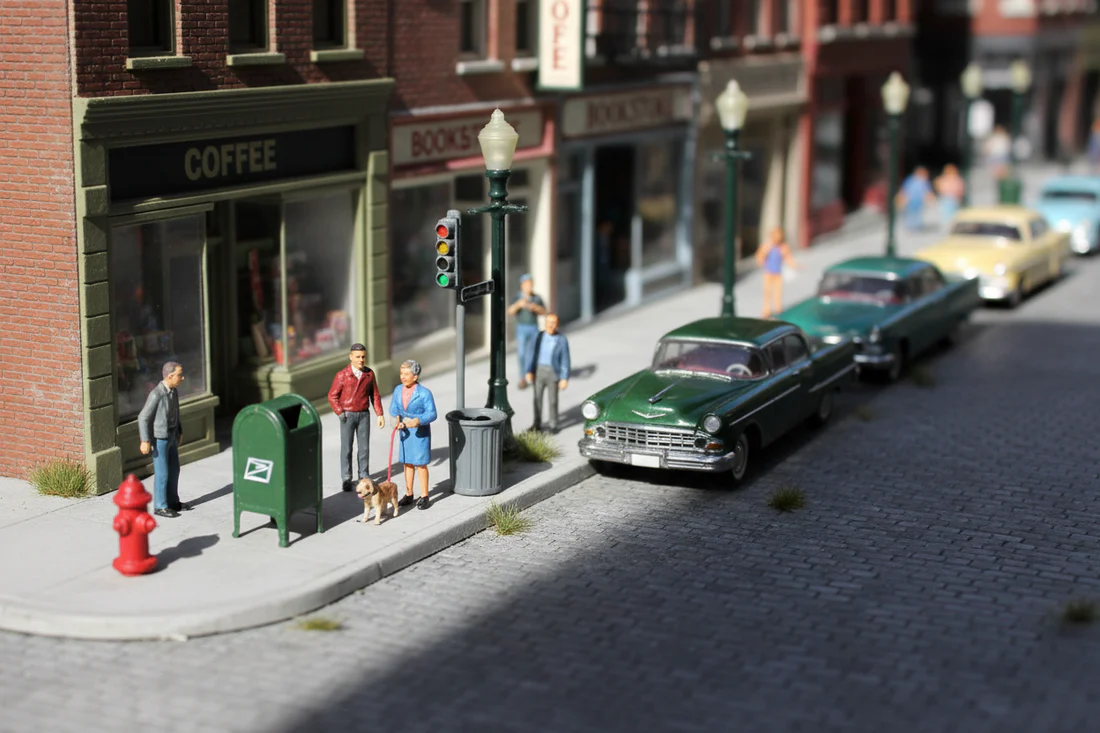
Model railroading is as much about the journey as it is the destination. While a well-functioning track layout and reliable locomotives form the foundation of any layout, it’s the carefully chosen details that transform a simple train set into a captivating miniature world. Whether you’re running trains in HO, N, or O scale, adding realistic details elevates your layout from functional to truly immersive.
Start with Scenery Basics
Before diving into small details, establish a solid scenic foundation. Ground cover—grass, dirt, and gravel—creates the canvas for everything else. Use a combination of static grass, ballast, and scenic materials to define different areas of your layout. A well-landscaped base makes individual details feel purposeful rather than scattered.
Trees and vegetation are essential. Whether you use commercial tree armatures with foliage or craft your own from natural materials, varying heights and densities creates depth and visual interest. Cluster trees realistically rather than spacing them evenly; nature doesn’t arrange itself in perfect rows.
Buildings and Structures Tell a Story
Structures are the backbone of layout realism. A small station, warehouse, or crossing house immediately establishes the character of your scene. Choose buildings that match your era and region—a Victorian-era depot looks out of place next to a modern industrial facility.
Don’t stop at the building itself. Add details around structures: loading docks with crates, parked vehicles, fencing, and signage. A warehouse with stacked pallets and a forklift nearby feels lived-in. A station platform with benches, a ticket booth, and waiting passengers tells a complete story.
Vehicles and Equipment
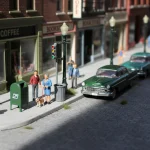
Parked cars, trucks, and equipment scattered throughout your layout add authenticity. Place vehicles logically—a delivery truck near a loading dock, cars in a parking area, farm equipment near agricultural buildings. Vary the ages and conditions of vehicles to suggest a realistic timeline.
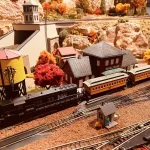
Don’t forget specialized equipment: crossing gates at road crossings, utility poles along the right-of-way, water towers near stations, and coal hoppers at industrial sidings. These functional details anchor your layout in reality.
Human Figures Bring Life
Figures are surprisingly impactful. A few well-placed people—waiting at a station, working near a building, or crossing at a grade crossing—instantly humanize your layout. Vary poses and activities: some standing, some sitting, some working. Even a small crowd of figures at a station platform creates a sense of activity and purpose.
Position figures thoughtfully. A worker near a loading dock, a conductor on a platform, or passengers waiting for a train all reinforce the narrative of your scene.
Lighting and Atmosphere
Strategic lighting transforms a layout, especially in the evening. LED lights hidden under eaves, along streets, or inside buildings create atmosphere and highlight details you’ve worked hard to add. Warm lighting around buildings and cool lighting for street lamps creates a realistic ambiance.
Lighting also draws the eye to focal points—a brightly lit station, a glowing crossing signal, or illuminated shop windows guide viewers through your layout and emphasize your best work.
Track-Side Details Matter
The area immediately adjacent to your track deserves attention. Realistic ballast, properly weathered ties, and authentic rail joiners set the stage. Add details along the right-of-way: crossing signs, mile markers, switch stands, and signal equipment. Near stations, add platform details like benches, luggage carts, and mail boxes.
Weathering is crucial. Ballast should show variation in color and texture. Rails can be weathered to show age and use. These subtle touches signal authenticity to viewers.
Water Features and Natural Elements
If your layout includes water—a river, pond, or creek—make it a focal point. Realistic water effects, banks with vegetation, and perhaps a bridge or crossing add dimension. Even a small water feature draws attention and breaks up large scenic areas.
Natural elements like rock outcroppings, embankments, and cut banks add geological interest and provide visual variety to your landscape.
Signage and Advertising
Period-appropriate signs and billboards add character and help establish your layout’s era. Vintage advertising signs, business names on buildings, and directional signage all contribute to the sense of place. These details are often overlooked but make a significant impact on overall realism.
The Power of Restraint
While details enhance realism, avoid overcrowding. A cluttered layout feels chaotic rather than immersive. Leave some breathing room, create focal points where details cluster, and allow the eye to rest in less detailed areas. Quality details placed thoughtfully outperform quantity scattered randomly.
Start with a few key areas—perhaps your station or a prominent industrial siding—and perfect the details there. As you gain confidence and experience, expand to other sections of your layout. This approach ensures consistent quality and prevents the project from becoming overwhelming.
Conclusion
Enhancing your model railroad layout with realistic details is a rewarding process that deepens your connection to the hobby. From scenery and structures to figures and lighting, each element contributes to a cohesive, immersive world. Take time to observe real railroads and landscapes, let those observations inspire your choices, and enjoy the journey of bringing your miniature world to life.